Bio-based surfactant cleaning concentrate

Forged by Nature. Built for Work.

A plant-derived bio-surfactant that lifts grease, oil, and food soil off kitchen lines, guest bathrooms, and plant floors, then rinses away and breaks down. One concentrate, dispensed at the ratio each job needs, for restaurants, hotels, foodservice, manufacturing plants, and warehouses.

No compromises. No vague claims. Only results backed by proof.

The product line

One concentrate. Sized for one facility or a hundred sites.

Buy Nature’s Wash bio-surfactant concentrate in the size that fits your storage and usage, then dispense it accurately with Fusion Pro. Every size is the same $50.00 per gallon of concentrate; larger sizes mean fewer reorders.

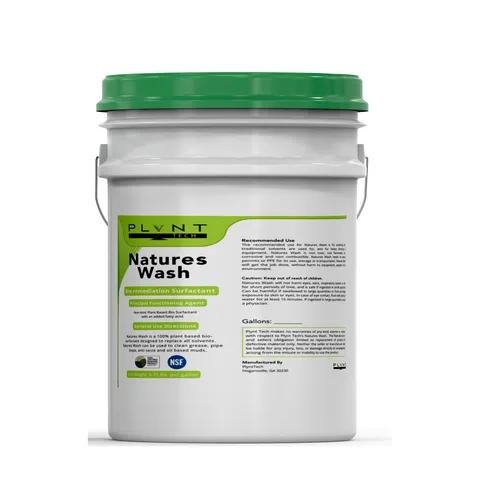
5-gallon white pail of Nature’s Wash bio-surfactant concentrate with a green lid

Nature’s Wash 5 Gallon Concentrate

$250 · $50.00/gal

HDPE pail, 47.3 lb. Sized for single-site kitchens, housekeeping closets, and maintenance shops.

View 5 gallon →
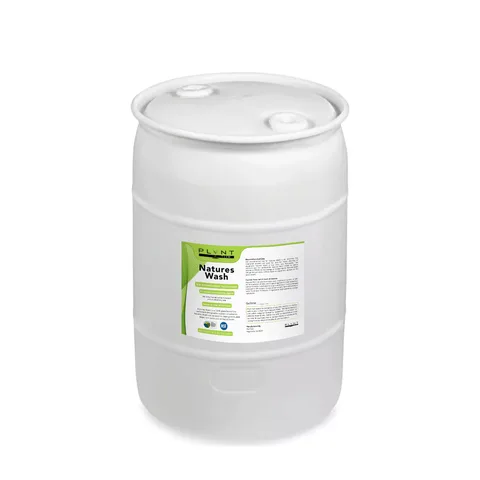
55-gallon white poly drum of Nature’s Wash bio-surfactant concentrate

Nature’s Wash 55 Gallon Drum

$2,750 · $50.00/gal

Steel or poly drum, 501 lb. For high-volume kitchens, hotels, and plants.

View 55 gallon →
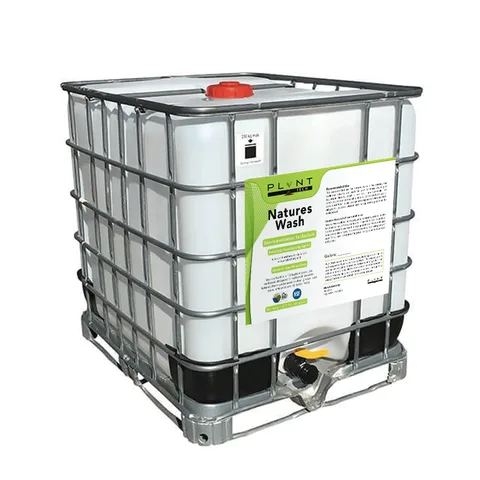
275-gallon caged IBC tote of Nature’s Wash bio-surfactant concentrate on a steel pallet base

Nature’s Wash 275 Gallon Tote

$13,750 · $50.00/gal

Palletized cage tote (IBC), 2,523 lb. For multi-site operators and distributors.

View 275 gallon →
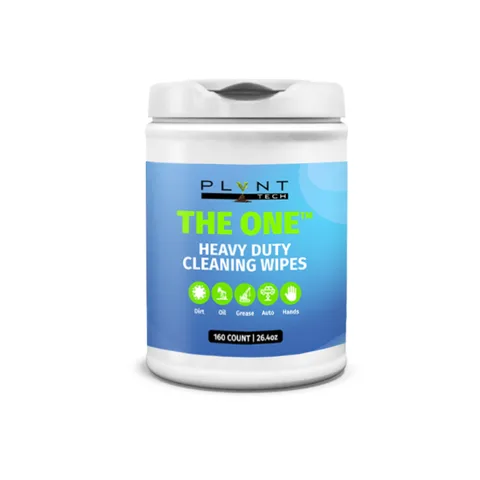
Blue canister of The One heavy duty cleaning wipes, 160 count, 26.4 ounces

The One Heavy Duty Wipes

$15 · 160 count

Ready-to-use wipes for dirt, oil, and grease on hands, tools, and equipment. No mixing, no bucket.

View wipes →

Dispensing equipment

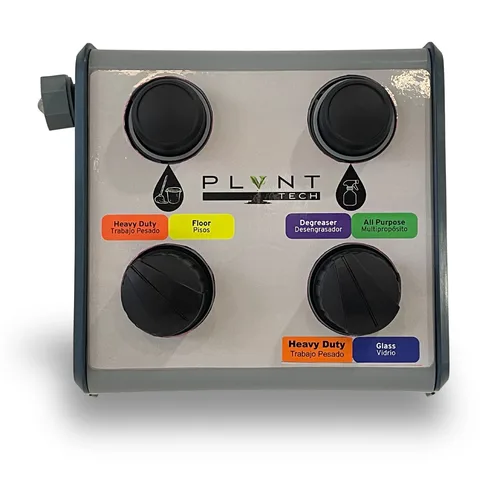
Front of the Fusion Pro wall-mounted dispenser with two push buttons, two selector knobs, and color-coded setting labels

Fusion Pro Dispensing System · $300

A wall-mounted proportioning dispenser with up to six outputs for bottle and bucket filling. It has a pilot-activated water valve with fewer internal parts, a quick-connect manifold, a built-in bubble level for setup, and color-coded activation buttons.

View Fusion Pro →
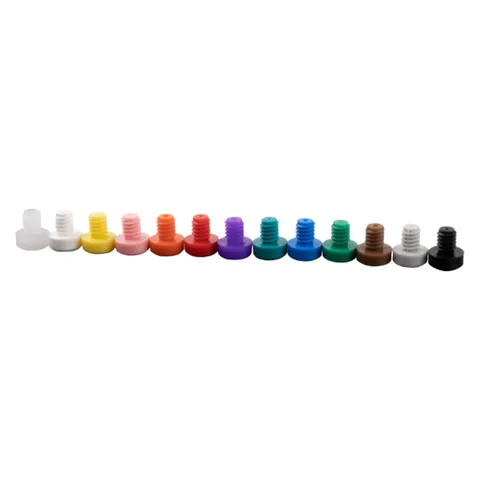
Row of thirteen color-coded Fusion Pro metering tips

Fusion Pro Metering Tips · $15

Color-coded tips that set each station's dilution, from Glass (about 100:1) to Degreaser (about 4:1). Lock in the tip, record the color on the cabinet door, and every location mixes the same way.

View metering tips →

Verified product facts

  • NSF Nonfood Compounds

    Registered. Certificate C0838274-02, issued February 19, 2026.

  • USDA Certified Biobased

    43% biobased content, certified under the USDA BioPreferred Program.

  • Flash point >212 °F

    Not a flammability hazard in use. Not regulated as dangerous goods for DOT shipping.

  • 10.4 g/L VOC

    1.0% by weight, as supplied. A low-VOC replacement for solvent degreasers.

The mechanism

It doesn't mask grease. It takes it apart.

Every molecule of our bio-surfactant has two ends: one that bonds to water and one that bonds to oil. That simple structure does the work that harsh solvents do in conventional degreasers.

  1. Grab

    The oil-loving tail of each molecule anchors into grease, fryer oil, food soil, or machine grime and breaks its grip on the surface.

  2. Encapsulate

    The molecules close around the soil and form nanoscale particles called micelles. Each micelle is about 1.2 to 4 nanometers across. The grease is locked inside and the water-loving heads face out.

  3. Rinse

    Encapsulated soil stays suspended in the rinse water, so it wipes or mops away instead of re-depositing on the next surface.

  4. Break down

    After rinsing, microbes biodegrade our primary surfactant, sodium tallate (a tall oil soap), to carbon dioxide, water, and biomass.[1]

Illustration in three panels showing how the bio-surfactant removes grease. 1 Grab: surfactant molecules, each with a round water-loving head and a thin oil-loving tail, push their tails into an amber grease film on stainless steel while their heads stay in the water. 2 Encapsulate: a cut-away micelle with heads facing outward and tails pointing inward around a trapped oil core. 3 Rinse: closed micelles carrying the oil are swept away by rinse water, leaving the steel surface clean.
  1. Grab. Oil-loving tails (ivory) anchor into the grease (amber). Water-loving heads (teal) stay in the water.
  2. Encapsulate. Cut-away micelle: heads face out, tails point in, and the oil is trapped in the core.
  3. Rinse. Closed micelles carry the oil off the surface and away in the rinse water.

Illustration, not to scale. Step 4, biodegradation after rinsing, is described above.

Why food-safety regulators already know this chemistry: our proprietary bio-surfactant is on the FDA GRAS (Generally Recognized as Safe) list. It is made from tall oil, a renewable co-product of pine pulping, and it gets industrial-strength results without petroleum solvents. See the full chemistry and specs →

Biodegradability

What happens after the rinse, with sources

EcoWash's primary surfactant is sodium tallate (CAS 61790-45-2), a tall oil soap made from a renewable co-product of pine pulping. Microbes biodegrade tall oil soaps to carbon dioxide, water, and biomass.[1]

  • 57–85% biodegraded in 28 daysTall oil soaps tested under OECD 301F standard conditions in a peer-reviewed study.[1]
  • Up to 85% for the best-performing soapIn the same study, biodegradation was higher at lower test concentrations and was inhibited at high concentrations.[1]
  • Modeled as readily biodegradableUS EPA EPI Suite modeling predicts ready biodegradability for sodium tallate.
  • EU Ecolabel DID listThe Detergents Ingredients Database lists soap (C12–22) as readily biodegradable (aerobic) and anaerobically biodegradable.[2]

Scope, stated plainly: these results are for tall oil soaps and sodium tallate, EcoWash's primary surfactant. They are not results for the finished EcoWash formula, which also contains sodium carbonate, ethanol, glycols, and water.

The same study found much slower biodegradation in cold groundwater, river water, and soil than under standard test conditions. That's one more reason to use the product diluted and keep concentrate out of storm drains and soil.[1]

References

  1. Prokkola H, Kuokkanen T, Vähäoja P, Kangas T, Karhu M, Rämö J, Lassi U. “Characterization and Biodegradation Rates of Tall Oil Soaps in Different Water and Soil Environments.” Water, Air, & Soil Pollution 225(9), Article 2070 (2014). doi:10.1007/s11270-014-2070-2
  2. EU Ecolabel, Detergents Ingredients Database (DID list) Part A, version 2023, entry 2025 “Soap C12-22” (aerobic: R, readily biodegradable; anaerobic: Y, biodegradable). DID list 2023 Part A (PDF)

Industries served

Built for the places that get dirty fastest

From the fryer line to the loading dock, one concentrate handles each job at a different dilution. Your team learns one product and one dispenser.

Illustration: restaurant cook in nitrile gloves wiping down a stainless fryer cabinet below the hood filters on a commercial kitchen line, with three white spray bottles standing side by side on the stainless ledge, labeled Glass Cleaner, All Purpose Cleaner, and Heavy Duty Degreaser

Restaurants

  • Fryers & hood filters
  • Grease traps
  • Kitchen equipment
  • Dining areas
  • Restrooms
  • Dumpster pads

Hood filters, fryer cabinets, and flat-tops carry the heaviest grease load in the building. Use the Degreaser setting (about 4:1) on baked-on hood and fryer soil, Heavy Duty (about 13:1) on equipment exteriors, and All-Purpose (about 43:1) on booths and tables. All three come from one pail.

Restaurant cleaning program →
Illustration: hotel housekeeper in blue gloves wiping down a guest bathroom vanity beside a housekeeping cart holding two white spray bottles, one labeled Glass Cleaner and one labeled All Purpose Cleaner

Hotels & hospitality

  • Guest bathrooms
  • Guest-facing surfaces
  • Lobby & corridor floors
  • Public restrooms
  • Banquet kitchens

Fill housekeeping carts from one Fusion Pro station instead of stocking a shelf of single-purpose products. Use Glass (about 100:1) for mirrors and fixtures, All-Purpose (about 43:1) for desks, counters, and vanities, and Floor (about 64:1) for lobby and corridor mopping.

Hotel housekeeping cleaner →
Illustration: bright, modern craft brewery with tall windows and a row of nine stainless steel conical fermentation tanks; a worker in a rubber apron and blue gloves pressure washes the outside of a tank, and in the foreground a caged 275-gallon IBC tote with the Nature’s Wash label sits under a compact wall-mounted Fusion Pro dispenser that draws from it through a suction tube, with three white spray bottles on the floor beside the tote labeled Glass Cleaner, All Purpose Cleaner, and Heavy Duty Degreaser

Breweries

  • Brewhouse & cellar floors
  • Walls
  • Drains & trench grates
  • Fermentation tank exteriors
  • Brewing line exteriors

Yeast film, krausen rings, sticky wort, and hop resin cling to floors, walls, drains, and tank exteriors. Use Floor (about 64:1) for daily cellar mopping and Heavy Duty (about 13:1) on walls and tank exteriors. It cleans ahead of your sanitizer program, not in place of it.

Brewery cleaning program →
Illustration: stadium concession stand on game day; a relaxed group of fans waits at the counter, including a dad holding his young son’s hand, a teenager checking her phone, an older woman, and a fan in a cap and baseball-style tee chatting with the cashier at the POS, while workers in blue gloves prep food behind heated glass cases stocked with hot dogs, soft pretzels, pizza slices, nachos, and fries, and a worker fills a cup at the draft beer tap. Behind a full-height tiled partition, in a separate janitorial nook with a mop bucket and a handwash sink, three small white spray bottles labeled Glass Cleaner, All Purpose Cleaner, and Heavy Duty Degreaser sit on a low wall shelf, with a small Nature’s Wash color chart on the wall above the sink

Stadiums & arenas

  • Concession fryers & grills
  • Hoods & flat tops
  • Sneeze guards & display cases
  • Suite & club glass
  • Concourse tables
  • Stand floors

Concession stands carry a restaurant’s grease load in a few hours. Use Degreaser (about 4:1) on fryers and hoods, Glass (about 100:1) on sneeze guards and suite glass, and All-Purpose (about 43:1) on counters and tables. Order concentrate for the event calendar instead of stockpiling ready-to-use cases.

Stadium & arena cleaning →
Illustration: institutional foodservice dish room with a worker pre-soaking sheet pans before the dish machine

Foodservice & institutional kitchens

  • Warewash pre-soak
  • Dish-room walls & floors
  • Kitchen equipment
  • Serving lines
  • Dumpsters

Pre-soak sheet pans, hotel pans, and racks to loosen carbonized grease before they go through the dish machine. Then clean dish-room floors and machine exteriors with the same concentrate. It works alongside your dish machine detergent and sanitizer, not in place of them.

Foodservice applications →
Illustration: manufacturing technician in safety glasses and gloves scrubbing oil from the base of production machinery on a plant floor, with a white spray bottle labeled Heavy Duty Degreaser beside him

Manufacturing plants

  • Machinery & equipment
  • Oil-stained floors
  • Parts & tools
  • Break rooms & restrooms

Designed to replace conventional solvent degreasers. With a flash point above 212 °F and 10.4 g/L VOC, it removes machine oil and grime without bringing a flammable solvent onto the floor.

Industrial green cleaning →
Illustration: warehouse aisle between pallet racks being cleaned with a ride-on autoscrubber

Warehouses & distribution

  • High-traffic floors
  • Autoscrubbers
  • Dock areas
  • Dumpster & compactor pads

Run the Floor setting (about 64:1) through mop buckets and autoscrubbers for daily aisle cleaning. Step up to Heavy Duty (about 15:1) for tire marks, dock grime, and spill zones.

Warehouse floor cleaning →

Not sure which setup fits?

Tell us your square footage, number of sites, and toughest soil. We'll recommend a package size, a Fusion Pro configuration, and starting dilutions.

Talk to us →

Dilution ratios are starting points for the Fusion Pro (EWS-731G) dispenser from the product specification sheet. Confirm on site with a volume test, because your water pressure affects the final ratio.

Proof, not promises

No compromises. No vague claims. Only results backed by proof.

Every number below comes from the product's technical specification and Safety Data Sheet (PT-BIOSURF-001, Version 01, May 20, 2026). Ask us for the documents and check them yourself.

  • NSF Nonfood Compounds registeredCertificate C0838274-02, issued February 19, 2026.
  • USDA Certified Biobased Product43% biobased content under the USDA BioPreferred Program.
  • Practically non-toxic by acute exposureAcute oral ATE >5,000 mg/kg. Acute dermal ATE >2,000 mg/kg.
  • No listed carcinogensNo ingredients on the IARC, NTP, or OSHA carcinogen lists. No California Prop 65 listed ingredients.
  • Not a fire hazardFlash point >212 °F (>100 °C). Not regulated as dangerous goods under DOT, IATA, or IMDG rules.
  • Low VOC10.4 g/L, or 1.0% by weight, in the concentrate as supplied.

What we won't claim: Nature's Wash concentrate is a cleaner and degreaser, not an EPA-registered disinfectant or sanitizer. Where your health code requires sanitizing, use your registered sanitizer after cleaning. The SDS lists the concentrate as not classified under OSHA HCS, with no signal word. Direct contact may cause mild transient irritation, so splash goggles and nitrile gloves are good practice when handling it.

Test it on your worst surface.

Tell us your toughest soil, whether that's a fryer cabinet, grease trap, guest bathroom, or shop floor. We'll quote the right package size and Fusion Pro setup and send the spec sheet and SDS with it.